
Hydronics
We Can Help With All Your Radiant Heating Needs
We install high-quality hydronic systems in The Treasure Valley Area
Imagine stepping into a home where warmth greets you from the floor up. With Intelligent Design - Heating & Cooling, you can transform your living space into a cozy haven. You'll have access to top-notch hydronic services that include efficient boiler installation and in-floor radiant heating installation. Your comfort is prioritized with solutions that cater to your specific needs. You deserve the credibility and expertise that comes with years of experience in the field.
Contact us now at (208) 494-2665 to learn more about our hydronic system installations in Garden City and Boise.
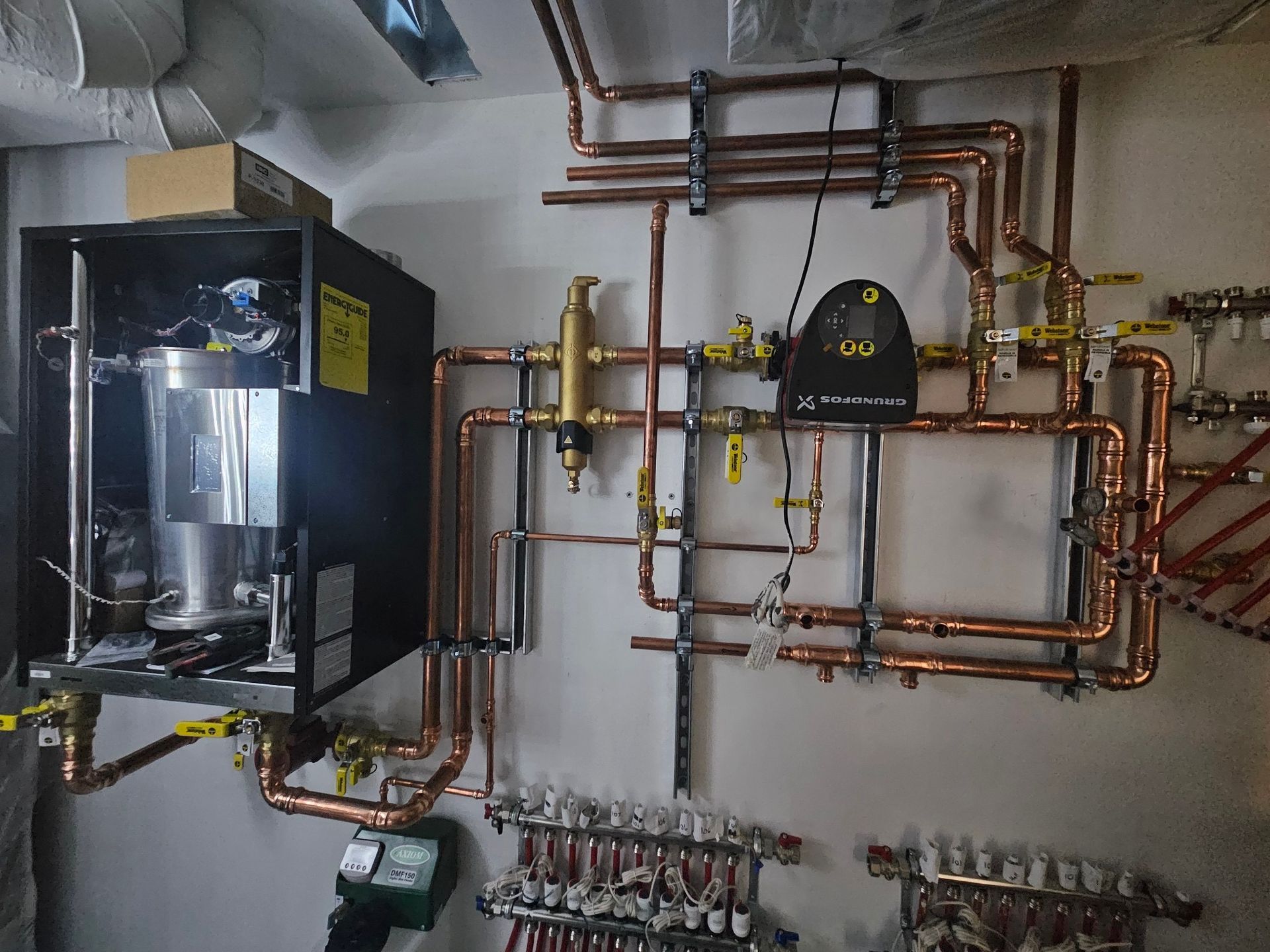
Learn more about the benefits of hydronic heating
Choosing a hydronic system for heating your home offers numerous advantages that enhance your daily life. Imagine the comfort and efficiency you'll gain from these features:
Enjoy consistent warmth with efficient boiler installation that optimizes energy use.

Experience unparalleled comfort with in-floor radiant heating that evenly distributes warmth.
Benefit from reduced energy bills thanks to advanced hydronic technology that maximizes efficiency.
Don't wait—upgrade your heating system today and enjoy a cozier home tomorrow.
Frequently Asked Questions
What is a hydronic heating system?
A hydronic heating system uses water to transfer heat throughout your home. Heated water is circulated through pipes to radiators, baseboards, or radiant floor systems, providing consistent and efficient warmth.
How does hydronic heating work?
Hydronic systems heat water using a boiler and circulate it through a network of pipes. The heat is then released into your home through radiators, baseboards, or in-floor tubing, creating even and comfortable heating.
What are the benefits of hydronic heating?
Hydronic heating systems offer:
- Even, consistent heat distribution
- Quiet operation
- Improved energy efficiency
- Reduced airborne dust and allergens
- Zoning capabilities for customized comfort
These features make hydronics a popular choice for whole-home heating.
What types of hydronic heating systems are available?
Common types include:
- Radiator heating systems
- Baseboard heating systems
- Radiant floor heating systems
- Snow melt systems for outdoor surfaces
Each system is designed to meet different heating needs and preferences.
Is hydronic heating more energy efficient than forced air?
Hydronic systems can be more energy efficient because water transfers heat more effectively than air. They also reduce heat loss associated with ductwork, improving overall efficiency.
What is radiant floor heating?
Radiant floor heating is a type of hydronic system where warm water flows through tubing installed beneath the floor. Heat rises evenly from the floor surface, providing consistent warmth throughout the space.
Can hydronic systems be used for both heating and cooling?
Hydronic systems are primarily used for heating. While some advanced systems can provide cooling, they are most commonly installed for efficient and comfortable heating applications.
How long do hydronic heating systems last?
Hydronic systems are known for their durability. Boilers can last 15–30 years, and the piping systems can last even longer with proper maintenance.
Do hydronic systems improve indoor air quality?
Yes. Because hydronic heating does not rely on blowing air through ducts, it reduces the circulation of dust, allergens, and other airborne particles, helping improve indoor air quality.
Can I add zoning to a hydronic heating system?
Yes. Hydronic systems are well-suited for zoning, allowing you to control temperatures in different areas of your home independently for improved comfort and efficiency.
What maintenance does a hydronic system require?
Regular maintenance may include:
- Inspecting the boiler and components
- Checking water pressure and levels
- Flushing the system if needed
- Ensuring proper circulation and operation
Routine maintenance helps keep the system running efficiently.
Why is my hydronic heating system not heating properly?
Common issues may include:
- Air trapped in the system
- Circulation pump problems
- Low water pressure
- Thermostat or control issues
These problems can affect heat distribution and system performance.
Are hydronic heating systems quiet?
Yes. Hydronic systems are typically very quiet because they do not use fans or blowers like forced air systems.
Can hydronic heating be installed in existing homes?
Yes. Hydronic systems can be installed in both new construction and existing homes, although installation may vary depending on the structure and existing heating setup.
What is the difference between a boiler and a furnace?
Boilers heat water for hydronic systems and distribute heat through pipes
Furnaces heat air and distribute it through ductwork
Each system uses a different method to deliver heat throughout the home.