Commercial
Make Us Your First Call for Commercial HVAC Services
Proudly serving clients throughout The Treasure Valley Area
When your business in Garden City or Boise requires dependable commercial heating and cooling solutions, you need a partner you can trust. Intelligent Design - Heating & Cooling offers unparalleled expertise in handling all your commercial HVAC and industrial HVAC needs. Our skilled technicians are committed to providing you with efficient and effective solutions, making sure your systems run smoothly.
Don't wait—experience the difference today!
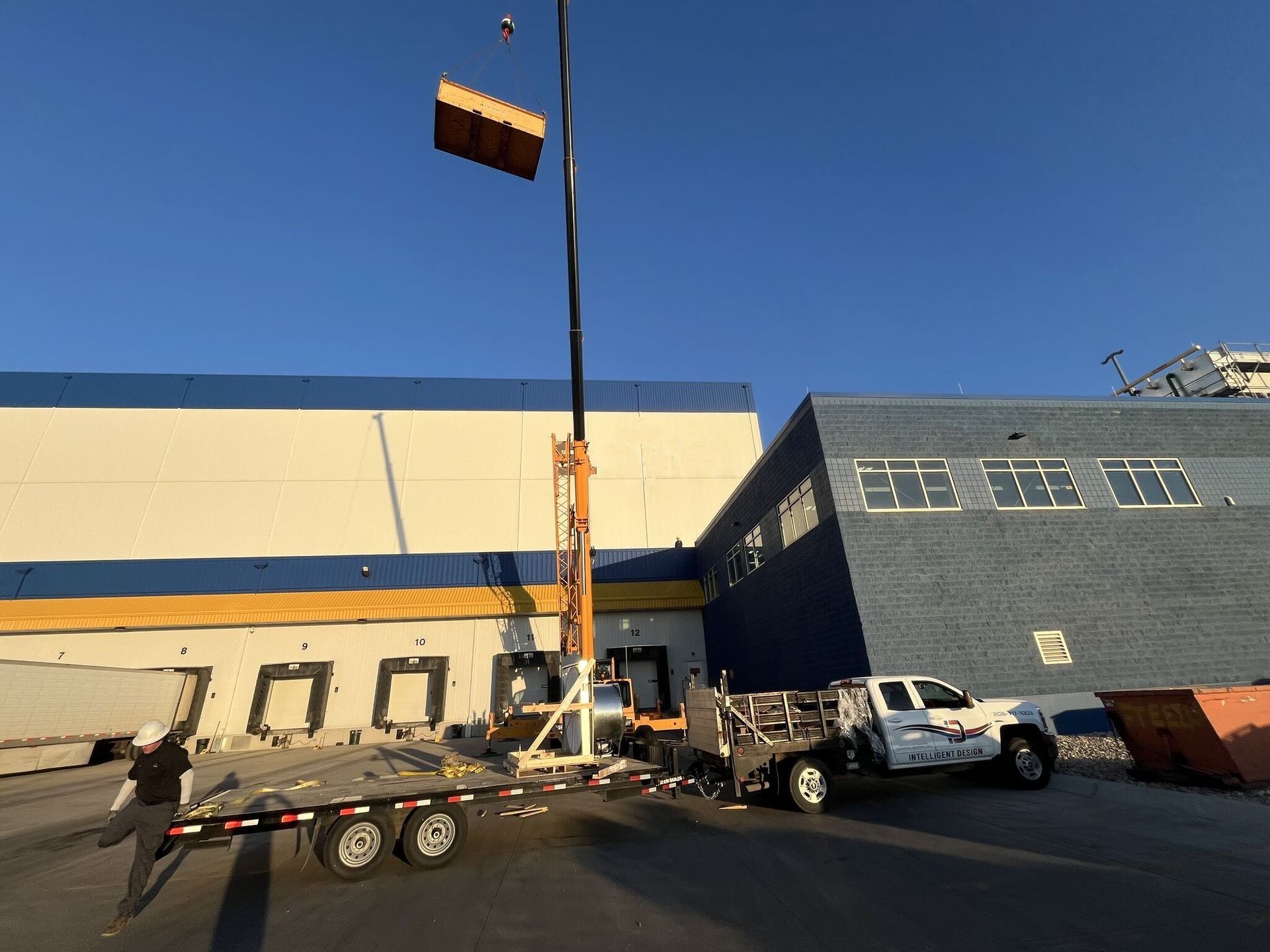
Discover the benefits of our commercial HVAC services
Choosing the right commercial service provider can transform your business operations. Here's how our commercial HVAC and industrial HVAC offerings can enhance your facility:
Improving energy efficiency with advanced heating and cooling systems.

Ensuring reliability through regular maintenance and retrofit services.
Optimizing airflow with expertly crafted sheet metal and duct solutions.
Elevate your business environment—schedule your service appointment now!
Frequently Asked Questions
What are commercial HVAC services?
Commercial HVAC services include the installation, repair, maintenance, and replacement of heating, ventilation, and air conditioning systems used in commercial buildings such as offices, retail stores, warehouses, and industrial facilities.
What types of HVAC systems are used in commercial buildings?
Common commercial HVAC systems include:
- Rooftop units (RTUs)
- Packaged HVAC systems
- Split systems
- Variable Refrigerant Flow (VRF/VRV) systems
- Chillers and boilers
The right system depends on the size, layout, and specific needs of the building.
How often should commercial HVAC systems be serviced?
Commercial HVAC systems should typically be serviced at least twice a year—before the heating and cooling seasons. High-use facilities may require more frequent maintenance to ensure consistent performance.
What are the signs a commercial HVAC system needs repair?
Common signs include:
- Inconsistent temperatures throughout the building
- Poor airflow or ventilation issues
- Unusual noises or vibrations
- Rising energy usage
- Frequent system cycling
Addressing these issues early can help prevent larger disruptions.
Why is preventative maintenance important for commercial HVAC systems?
Preventative maintenance helps reduce unexpected downtime, improve energy efficiency, extend equipment lifespan, and ensure consistent indoor comfort for employees and customers.
What is a rooftop HVAC unit (RTU)?
A rooftop unit (RTU) is a self-contained HVAC system installed on the roof of a commercial building. It provides heating and cooling while saving indoor space and allowing for easier maintenance access.
How long do commercial HVAC systems last?
Most commercial HVAC systems last between 15–25 years, depending on usage, maintenance, and system type. Regular servicing can help maximize system lifespan.
What is the difference between residential and commercial HVAC systems?
Commercial HVAC systems are typically larger, more complex, and designed to handle higher demand. They often include zoning capabilities, advanced controls, and multiple units working together to regulate temperature across larger spaces.
How can I improve energy efficiency in a commercial HVAC system?
Improving efficiency may involve:
- Regular maintenance and system tune-ups
- Upgrading to energy-efficient equipment
- Installing programmable or smart controls
- Sealing ducts and improving insulation
- Using zoning systems for better temperature control
These strategies can help optimize system performance.
What is HVAC zoning in commercial buildings?
Zoning allows different areas of a building to be heated or cooled independently. This improves comfort and efficiency by directing energy only where it’s needed.
Why is indoor air quality important in commercial spaces?
Good indoor air quality helps create a healthier environment for employees and customers. It can reduce allergens, improve comfort, and support overall productivity.
What are common commercial HVAC problems?
Frequent issues include:
- Thermostat malfunctions
- Refrigerant leaks
- Dirty filters and coils
- Electrical component failures
- Airflow restrictions
Routine maintenance can help prevent many of these problems.
Can commercial HVAC systems be upgraded or retrofitted?
Yes. Existing systems can often be upgraded with new components, controls, or more efficient equipment to improve performance and meet changing building needs.
What role does ventilation play in commercial HVAC?
Ventilation is essential for maintaining fresh indoor air by removing contaminants and bringing in outside air. Proper ventilation supports both comfort and health within commercial environments.
Are smart HVAC controls beneficial for commercial buildings?
Yes. Smart controls allow for automated temperature adjustments, remote monitoring, and improved energy management, helping optimize system performance and efficiency.